Harnessing Interagency Collaboration for Effective Wildfire Management: Strategies for Community Safety and Preparedness
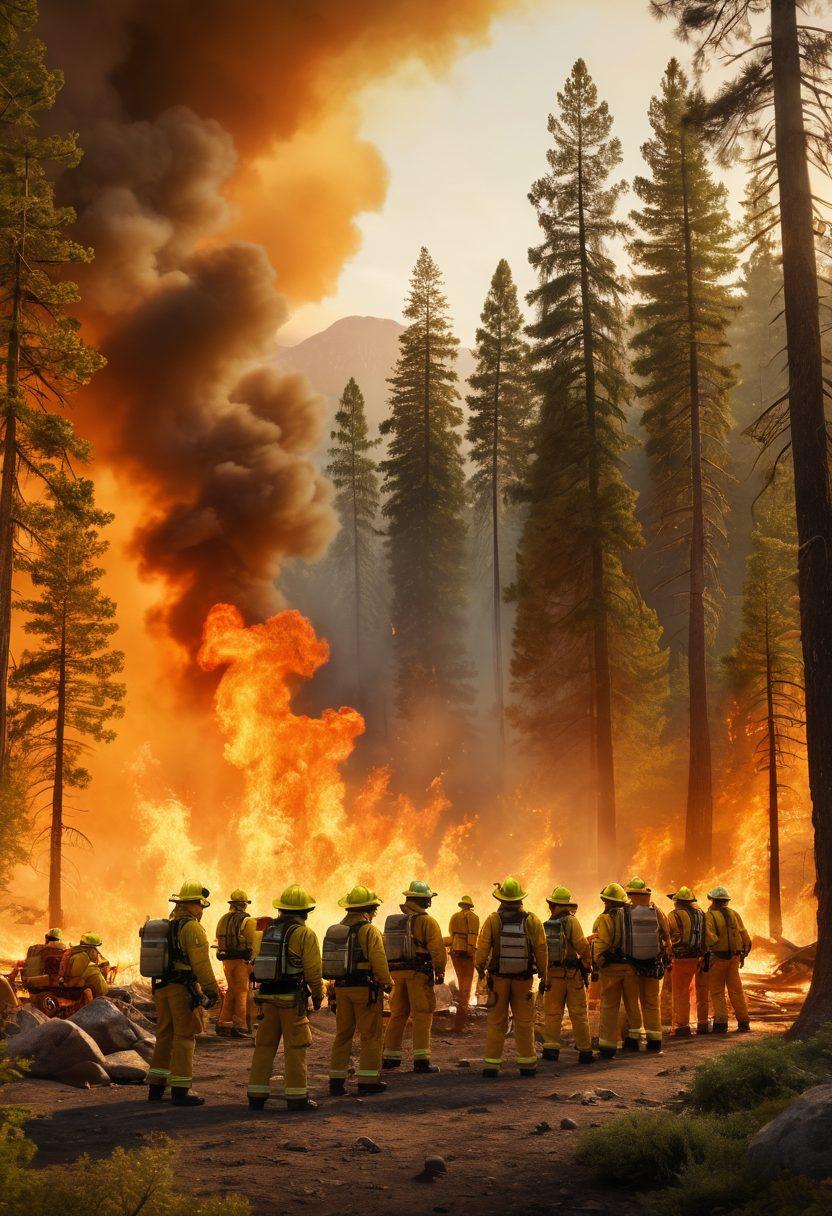
In the face of increasingly severe wildfires, the importance of effective wildfire management has never been more critical. Each year, communities across the globe are impacted by roaring flames that consume everything in their path. But how can we build a unified front against these natural disasters? The answer lies in interagency collaboration. The seamless coordination between various organizations and agencies—ranging from local fire departments to national environmental management bodies—can drastically improve our fire response planning and enhance community safety. After all, as Benjamin Franklin famously said, 'An ounce of prevention is worth a pound of cure.'
When the unpredictability of wildfires strikes, ensuring a robust firefighting strategy requires more than just firefighters on the ground. It demands a deep-rooted commitment to resource allocation that extends beyond the usual boundaries. Interagency cooperation facilitates pooling resources and expertise, allowing for the development of comprehensive fire prevention programs. Imagine a scenario where a local fire department has immediate access to aerial firefighting resources during peak fire season, simply by working in tandem with national agencies. This is the kind of multi-agency collaboration that can increase our chances of effectively mitigating fire risks.
It's essential to engage in proactive wildfire preparedness. As wildland management specialists often emphasize, readiness is not merely about extinguishing flames, but about understanding when and where fires might ignite. Conducting thorough fire risk assessments is crucial, as it allows agencies to focus their firefighting resources where they are most needed. When emergency management teams collaborate on creating safety protocols that are informed by real data, they ensure that communities are not only informed but also equipped with the knowledge to act swiftly in the event of a disaster. Have you ever thought about how your local organization might be seeking volunteer opportunities to improve community engagement during fire outbreaks?
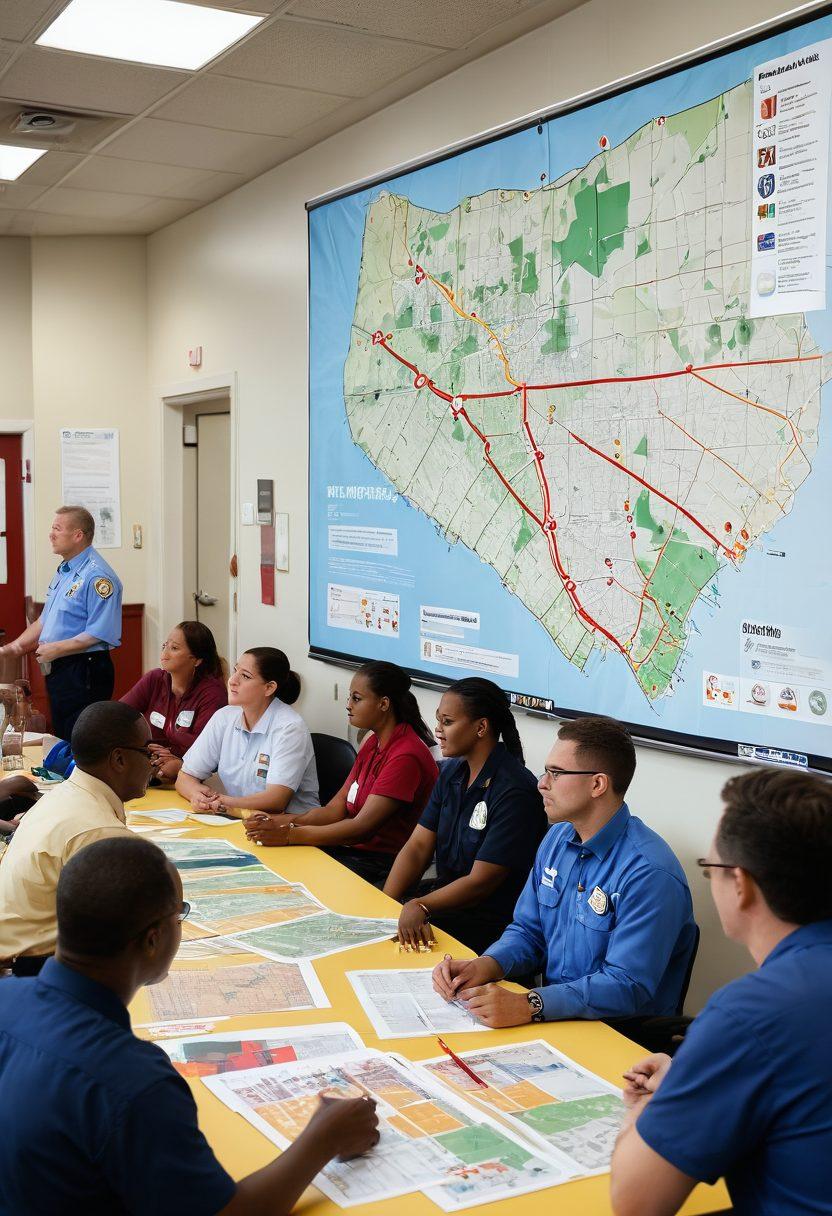
In the realm of crisis management, collaboration can also strengthen incident response operations. Establishing clear lines of communication between different agencies is imperative to swift action when wildfires strike. Meeting regularly to discuss firefighting strategies and ongoing challenges faced by various agencies can lead to effective fire response coordination. As the saying goes, 'Alone we can do so little; together we can do so much.' This teamwork not only prepares communities for the worst but also saves lives and property.
Ultimately, the strength of interagency collaboration rests in its ability to build resilience in communities threatened by wildfires. By sharing insights, training together, and developing joint emergency plans, agencies can create a more robust support system for disaster response. Community safety becomes a shared goal—one that transcends differing organizational agendas. If we look towards the future and consider how we can solidify these alliances, the potential for effective wildfire management is limitless, bringing together firefighters, environmental managers, and local communities in a fight against the flames.
Strategic Fire Prevention: Effective Resource Allocation for Community Safety
As we navigate through the unpredictable landscapes of nature, it becomes vital that we engage in strategic fire prevention techniques to safeguard our communities. Wildfire management is not just a term thrown around by environmentalists; it's a necessity that intertwines with the very fabric of our safety protocols and emergency management strategies. The increasing frequency of wildfires raises an essential question: How can we effectively allocate our resources to bolster fire protection and ensure community safety in the face of mounting risks?
Effective resource allocation is the method to our safety. When agencies collaborate seamlessly, we can build robust fire response planning frameworks. Imagine a scenario where local firefighters, environmental management teams, and emergency response agencies work hand-in-hand. Interagency cooperation brings forth a synergy that optimizes firefighting strategies, enabling a rapid, coordinated incident response that can make all the difference when disaster strikes. Each agency holding pieces of the puzzle is akin to artists creating a tapestry of safety and preparedness.
Consider this: a local community is grappling with the looming threat of wildfires. Each resident feels a mix of fear and helplessness. However, through effective wildland management, the combined efforts of local, state, and federal agencies establish a proactive fire risk assessment system. This not only addresses potential hotspots before they ignite but fosters a culture of wildfire preparedness within the community. When individuals understand the role of multi-agency collaboration in their safety, it empowers them to take actionable steps—such as creating defensible spaces around their homes or participating in community drills.
"An ounce of prevention is worth a pound of cure." This timeless quote by Benjamin Franklin resonates deeply in the realm of fire prevention. Emergency management organizations can leverage this wisdom by investing in training and resources for both emergency responders and community members. From workshops on crisis management to hands-on fire response coordination exercises, the focus should be on building a knowledgeable community that knows not just how to react, but also how to prepare. By equipping them with firefighting resources and skills, we create a network of capable advocates for local fire protection efforts.
In conclusion, the path to effective wildfire management is paved with strategic fire prevention practices that prioritize community safety through resource allocation. By fostering interagency cooperation and multi-agency collaboration, we can turn the tide against wildfires. Every community must recognize that their safety doesn't merely depend on the diligence of a few; it is a shared responsibility that thrives on active participation and unwavering dedication. Together, we can champion initiatives that not only address fire risks but also celebrate the unbreakable bonds of community resilience.
From Planning to Action: Key Firefighting Strategies for Enhanced Emergency Management
When it comes to wildfire management, the stakes couldn’t be higher. The images of raging flames engulfing vast stretches of land and communities losing everything they hold dear haunt our memories. In an era where climate change exacerbates the risk of wildfires, preparing our communities has become a collective responsibility. So how do we turn our planning into action? How can various agencies work together in a multi-agency collaboration that not only enhances emergency management but also ensures community safety?
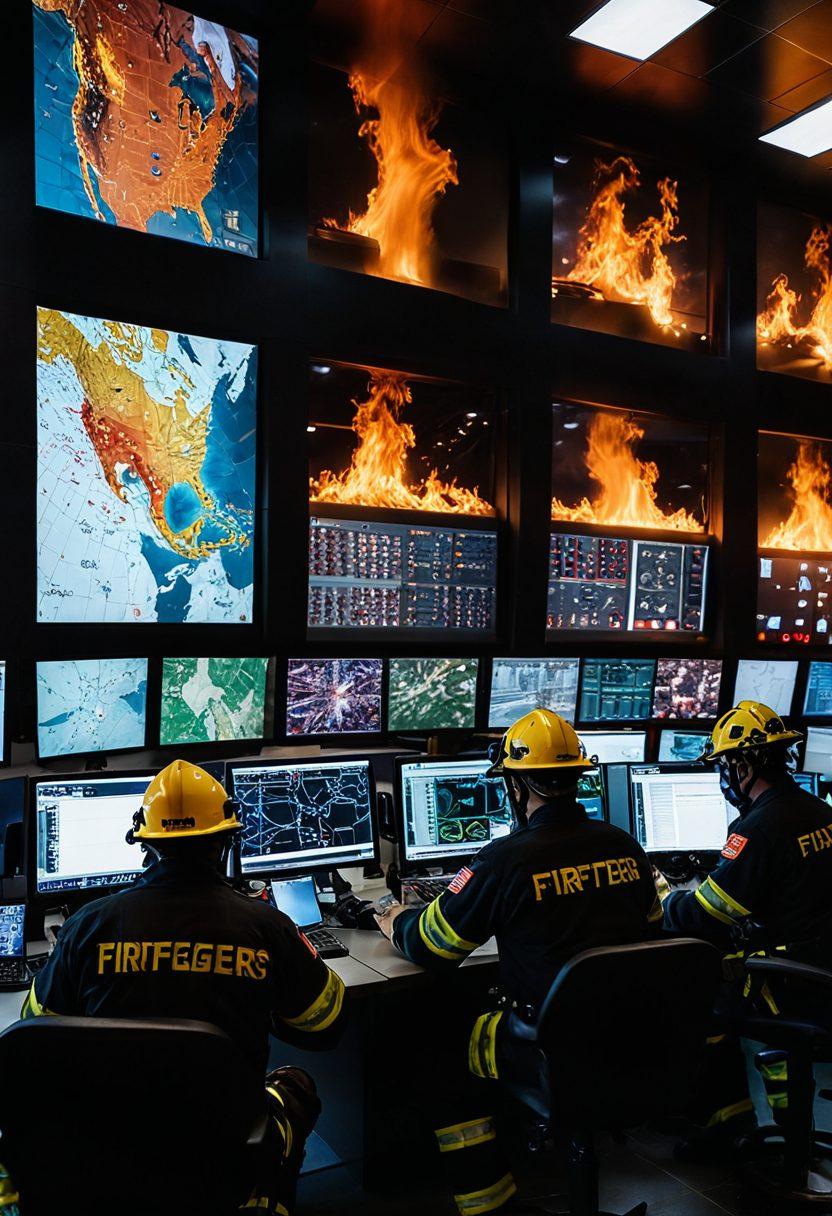
From the initial fire risk assessment to the strategies implemented during an active fire event, each step is crucial for preventing a disaster response scenario from spiraling out of control. The key lies in establishing robust fire response coordination. Imagine a scenario where local fire departments, forestry services, and emergency management agencies share critical information and resources seamlessly. When everyone is on the same page, the result is not only effective firefighting strategies but also a united front against the challenge of wildland management and fire protection.
But let’s not just focus on the technical aspects—behind each successful fire response planning effort lies powerful stories of real people who came together during tough times. Community members play a vital role too. Are you familiar with the phrase, "Many hands make light work?" This rings especially true in wildfire preparedness. Engaging residents in safety protocols and educating them about fire prevention boosts community resilience. Have you thought about how your neighborhood can collaborate to establish those safety protocols? It’s about more than filling out forms; it’s about fostering relationships that can be tapped into during a crisis.
To ensure effective resource allocation during a wildfire, agencies must prioritize their firefighting resources well ahead of the fire season. This means not only adequate inventory management but also the strategic positioning of resources—firefighters, equipment, and water supply—based on historical data and predictive modeling. As wildfires are inherently unpredictable, a proactive mindset in emergency management can spell the difference between a small fire quickly extinguished and a catastrophic disaster that leaves communities in shambles. But this demands a high level of coordination among various stakeholders. Why not involve local businesses and volunteers in resource allocation efforts?
The journey from planning to action in wildfire management is ongoing and requires commitment and adaptability. Multifaceted fire response planning that aligns with environmental management principles can lead to safer futures for our communities. Remember: wildfire preparedness is a continuous effort. It’s about more than battling flames—it's about creating a culture of safety, awareness, and proactive measures that protect what we cherish most. Are we ready to embrace this challenge together and ensure a safer tomorrow?